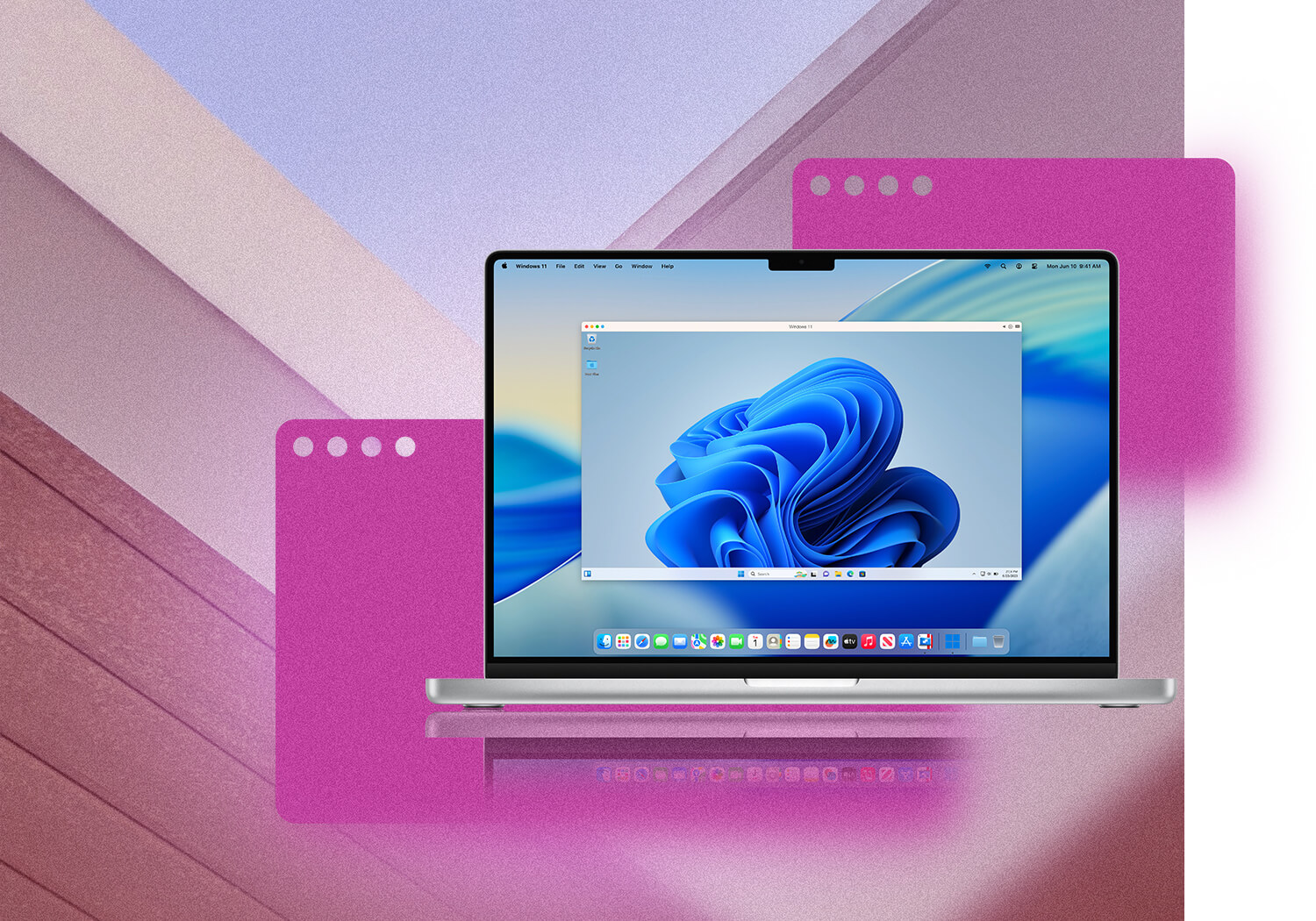
Parallels Desktop for Mac: Run Windows 11 on Apple silicon: Complete Review

Parallels Deal
Parallels Deal
Parallels
About Parallels
Run Windows apps on your Mac with Parallels Desktop, or deliver remote apps and virtual desktops to any device with Parallels RAS. Free trial available.
Parallels Desktop for Mac Review — Worth it? Best for Mac users who need Windows
Struggling to run Windows-only apps like QuickBooks, legacy business software, or certain developer tools on a Mac? Parallels Desktop promises to run Windows 11 and other operating systems side-by-side with macOS without rebooting. In this review I break down whether Parallels is the practical, reliable solution for everyday productivity, development, and light 3D work on both Intel and Apple Silicon Macs.
Quick Overview
| Product | Parallels Desktop for Mac |
| Brand | Parallels |
| Platforms | macOS (Intel & Apple M-series) |
| Price (starting) | $99.99 (Standard license / annual) |
| Rating (aggregate) | ~4.5 / 5 (industry reviews and user feedback) |
| Trial / Guarantee | Free trial available; 30-day money-back guarantee |
Material & Quality (Software Build and UX)
- Installer & setup: Very polished Installation Assistant that downloads and installs Windows 11 (including ARM on M-series Macs). The guided flow makes it easy for non-experts to get a VM running in minutes.
- UI & integration: Clean, macOS-native interface with “Coherence” mode to run Windows apps like macOS apps (no VM window required). Copy/paste, drag-and-drop, and shared folders feel seamless.
- Performance & optimization: Historically optimized for both Intel and Apple Silicon — M-series Macs get strong single-thread and multi-thread performance for general productivity and many development tasks. Graphics acceleration is supported, though top-tier gaming or heavy 3D rendering will still favor a native Windows PC.
- Stability & updates: Frequent updates keep compatibility current with macOS changes. Parallels is enterprise-minded with Pro and Business editions offering more VM resources and management tools.
- Supported features: Nested virtualization, large vRAM/vCPU options (Pro edition), visual Studio integrations, and the ability to import Boot Camp partitions on Intel Macs.
Real-World Experience — Pros & Cons
Pros
- Fast, frictionless setup: Installation Assistant automatically downloads and sets up Windows; good for users who don’t want manual ISO juggling.
- Excellent macOS integration: Coherence mode, shared clipboard, and easy file/device sharing reduce context switching.
- Apple Silicon support: Officially supported for Windows 11 ARM on M-series Macs — Microsoft-authorized arrangement helps reliability.
- Flexible editions: Standard for general users; Pro/Business for developers and teams needing more vCPUs, vRAM, and management tools.
- Helpful extras: VM deployment tools, CLI for automation (Pro), and useful documentation/support resources.
Cons
- Cost model: Annual license for full features can feel expensive compared with free alternatives. Upgrades and Pro features increase cost.
- ARM app compatibility: On Apple Silicon, Windows runs as ARM — some legacy x86 Windows apps rely on emulation and may not behave perfectly or may run slower.
- Resource use: Heavy VMs can tax CPU/RAM and impact battery life on laptops during sustained workloads.
- Not a perfect gaming solution: Good for casual gaming and many Windows apps, but serious AAA gaming or GPU-intensive workloads are better on native Windows hardware.
- Occasional update friction: macOS or Windows updates sometimes require Parallels updates to maintain compatibility — usually handled quickly, but can interrupt workflows temporarily.
“Parallels Desktop continues to be the best virtualization solution for Mac users wanting seamless Windows integration.” — Industry review consensus
Quick Comparison with Competitors
Parallels vs. VMware Fusion
- Integration: Parallels generally offers smoother macOS integration (Coherence) and friendlier setup for casual users.
- Apple Silicon: Parallels has earlier and broader Apple Silicon support; VMware has been catching up but historically lagged.
- Enterprise features: VMware is strong in enterprise virtualization, but Parallels Pro/Business covers many developer and small-team needs.
Parallels vs. UTM / VirtualBox
- Performance & polish: Parallels is a paid, commercial product with superior performance, GPU acceleration, and polish. UTM/VirtualBox are free but have more manual setup and weaker integration.
- Support & updates: Parallels offers professional support, frequent updates, and better compatibility guarantees.
Who Should Buy Parallels Desktop?
- Best for: Mac users who regularly need to run Windows apps without switching machines — business professionals, accountants (QuickBooks), designers with specific Windows-only tools, and developers who test cross-platform software.
- Good for: Students and educators who need occasional Windows access; small teams that need VM deployment features (consider Pro/Business editions).
- Not ideal for: Users looking for a free solution, hardcore gamers requiring full GPU/driver support, or those who need guaranteed compatibility with very old x86-only Windows binaries on Apple Silicon.
Verdict — Is Parallels Desktop Worth It?
Short answer: Yes, if you value smooth integration, quick setup, and reliable day-to-day performance. Parallels is the most user-friendly virtualization choice for Mac users who need Windows apps alongside macOS. It’s especially compelling on Apple Silicon where official support and optimization matter.
Consider alternatives if you need a no-cost solution, or if your workload is extreme gaming/3D rendering where native Windows hardware is a better fit.
Pricing, Discounts & How to Buy
Parallels offers a free trial and a 30-day money-back guarantee. The standard edition starts around $99.99 per year. Educational discounts and volume licensing are available for qualifying users.
Exclusive offer: If you purchase through my store, you may be eligible for a special discount. Use code SAVE10PD at checkout to claim a limited-time savings (verify terms at checkout). This code is valid for qualifying purchases through my storefront only.
Final Thoughts
- Parallels Desktop excels at making Windows feel native on a Mac. For productivity, testing, and most developer workflows it’s a top pick.
- Weigh the subscription cost against your usage — heavy, continuous VM workloads might justify Pro or Business editions; casual users can often stick with the Standard edition or a short-term subscription.
- Try the free trial first to confirm compatibility with the specific Windows apps you rely on — especially if you’re on an Apple Silicon Mac.