
HomeWater Premium Water Filters & Softeners Review — Worth it?
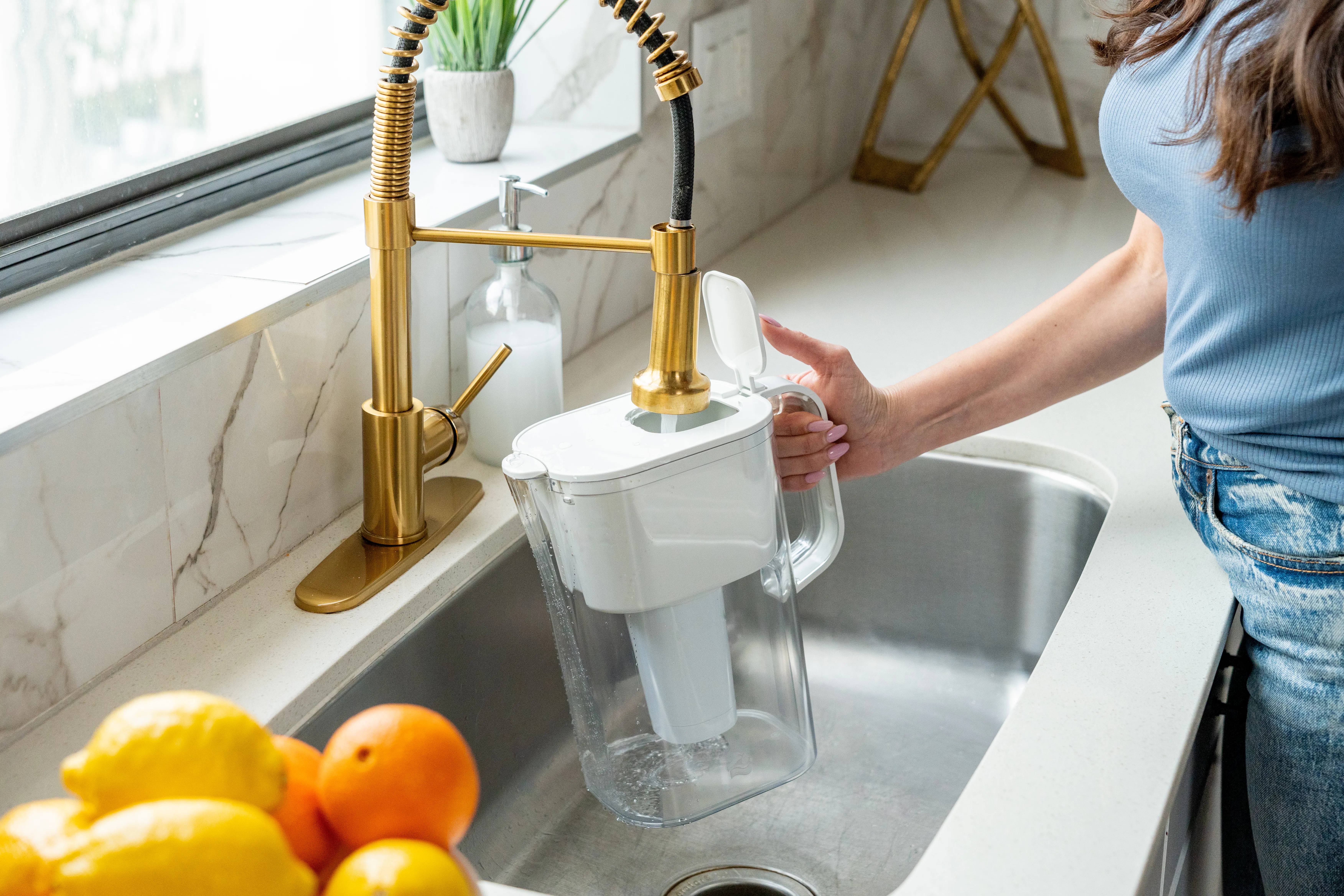
Introduction — the problem and why this product exists
Hard water, chlorine taste, sediment, and the lingering worry about contaminants are common headaches in many U.S. and U.K. homes. Bottled water is expensive and wasteful; basic faucet filters can reduce taste issues but don’t solve scale or whole-home contamination. HomeWater’s Premium Water Filters & Softeners line is positioned to address those multiple needs across under-counter filtration, whole-home filtration, and water softening—bringing cleaner, better-tasting water to taps, appliances, and showers without constant jerry-rigging.
Specifications / Materials (Material & Quality)
| Brand | HomeWater |
| Product range | Under-counter filters, whole-home filters, water softeners, replacement cartridges & accessories |
| Materials | Durable polymer housings, multi-stage filter media (carbon, sediment), resin in softeners |
| Build quality | Solid, serviceable components meant for home plumbing; connectors and fittings are generally standard-sized for easy integration |
| Filter life | Varies by model and water quality; most cartridges rated for 3–12 months |
| Warranty & support | Manufacturer warranty varies by system; HomeWater offers replacement parts and customer support |
Real-world experience — Pros & Cons
- Installation and setup
- Under-counter units: straightforward for a confident DIYer with basic plumbing tools. Clear instructions and standard fittings make swaps reasonably fast.
- Whole-home systems and softeners: best installed by a plumber unless you’re experienced—tanks and bypass valves add complexity.
- Performance
- Taste and odor: noticeable reduction in chlorine and metallic tastes after the first cartridge change. Coffee and cooking show an immediate improvement.
- Scale reduction: softener models substantially reduced scale on showerheads and kettle build-up within weeks.
- Maintenance
- Filter swaps are simple for under-sink systems—quarter-turn housings on many models help. Replacement cartridges are readily available.
- Softener regeneration and salt refills require occasional attention but are typical for the category.
Key Pros
- Improved water taste and reduced odors almost immediately for most customers.
- Solid build quality and serviceable parts—designed for long-term home use.
- Clear product range: solutions for point-of-use and whole-home needs.
- Good customer support and straightforward replacement parts ecosystem.
Key Cons
- Whole-home units and softeners can be bulky and require professional installation for best results.
- Replacement filter and resin costs add to lifetime ownership expenses.
- Some models can slightly reduce water pressure if plumbing or pre-filters aren’t sized correctly.
- Certification and exact contaminant reduction depend on the specific model—check specs for your chosen unit.
After two months of daily use, the under-counter system delivered consistently clearer water and noticeably better coffee; the softener cut mineral buildup in my shower within weeks.
🎁 Unlock Coupons & Deals View all available discount codes
Quick comparison — How it stacks up against competitors
HomeWater vs. APEC (popular RO under-sink systems)
- Filtration: APEC RO systems remove a broader range of dissolved solids thanks to reverse osmosis. HomeWater under-counter filters focus on sediment and carbon-stage filtration for taste and odor, with optional RO models in the range.
- Water waste & flow: RO units typically waste more water and have lower flow; HomeWater’s non-RO options keep higher flow at the tap.
- Cost: RO systems are costlier up-front and for membrane replacement. HomeWater’s standard filters are more affordable for those focused on taste and common contaminants.
HomeWater vs. Culligan (whole-home systems/softeners)
- Service model: Culligan often emphasizes service plans and regular technician visits. HomeWater provides DIY-friendly options plus support—good if you prefer fewer recurring service fees.
- Customization: Both brands offer scalable solutions, though Culligan has a long track record of on-site water testing paired with rental models. HomeWater leans toward competitive retail pricing with owner-serviced maintenance.
Who is this best for?
- Busy households that want better-tasting water from tap and coffee machines without relying on bottled water.
- Homeowners looking to reduce scale and extend appliance life with a water softener.
- DIY-capable consumers who prefer installing and maintaining systems themselves to save on service fees.
- Renters or apartment residents who need a compact under-sink solution rather than full home installs (check compatibility first).
Who should consider alternatives?
- People needing strict total dissolved solids (TDS) reduction for medical or lab uses—consider a certified RO system.
- Those unwilling to manage periodic maintenance or salt refills—look into providers with included service plans.
- Homes with very low water pressure—confirm model flow rates before selecting a whole-home filter.
Final verdict — Worth it?
HomeWater’s Premium Water Filters & Softeners represent a solid, practical set of choices for homeowners who want noticeable improvements in water taste, reduced chlorine and sediment, and long-term protection against scale. The product line’s strengths are its build quality, clear product segmentation (point-of-use vs. whole-home), and ease of parts replacement. Downsides are typical for the category: installation complexity for larger systems and ongoing consumable costs.
If your priorities are better-tasting tap water, reduced scale, and a system you can service yourself, HomeWater is worth serious consideration. For customers who need aggressive contaminant removal (e.g., heavy TDS), pair selection with an RO model or consult a water test first.
Note: Seasonal discount codes and special offers are sometimes available when purchasing through my store—check for current promotions at checkout to save on your HomeWater system.