

A Closer Look at Управление автопарком с ППР: автоматизация и эффективность
petrolplus.ru
About petrolplus.ru
Узнайте, как компания «Передовые Платежные Решения» поможет вам эффективно управлять автопарком, снизить расходы и повысить безопасность. 🚗📈
Fleet Management with PPR — Review: Worth it for Your Fleet?

Managing a fleet today means juggling fuel costs, driver behavior, route efficiency, and a growing paperwork burden. Small inefficiencies scale fast: a few gallons of excess fuel use per truck turns into thousands of dollars each month. Fleet Management with PPR (Передовые Платежные Решения) promises to automate core tasks — fuel control, expense tracking, telematics integration, and reporting — so operations run cleaner and managers get actionable visibility. In this review I test how well PPR delivers on that promise and whether it’s worth adopting for fleets in the US/UK market.
What problem this product solves
- Eliminates manual fuel reconciliation by centralizing fuel transactions via fuel cards and automated reporting.
- Reduces administrative time through automated invoicing, expense categorization, and driver/vehicle tracking.
- Improves safety and compliance with driver identification, transaction limits, and tamper-resistant card controls.
Specifications & Materials (Material & Quality)
- Platform: Cloud-based fleet management dashboard with role-based access and multi-fleet support.
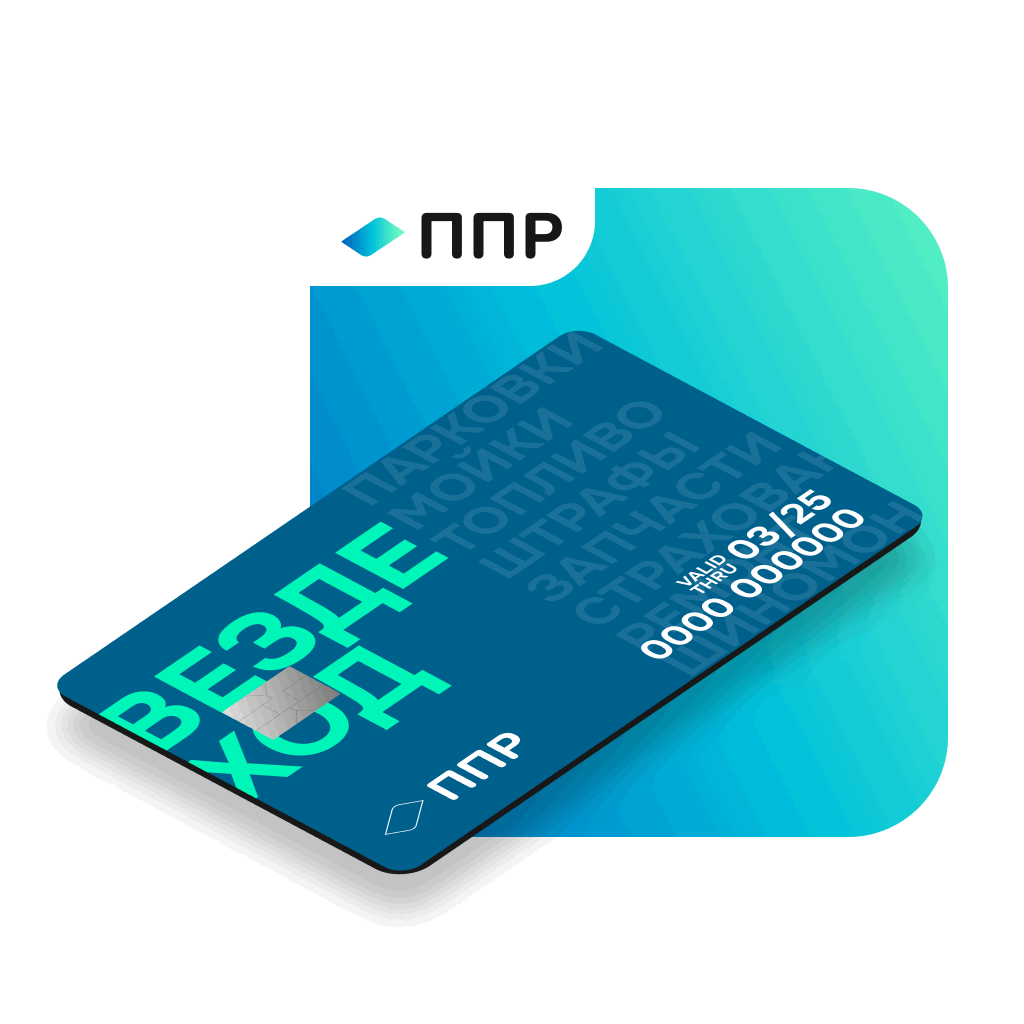
- Fuel integration: Proprietary fuel card system with merchant network acceptance and transaction-level detail.
- Telematics: Optional GPS/OBD-II device support for location, mileage, idle time, and basic engine diagnostics.
- Reporting: Customizable reports (fuel spend, driver behavior, route efficiency) exportable to CSV/PDF.
- API & Integrations: REST API for payroll/ERP integration and compatibility with common accounting systems (integration availability may depend on package).
- Security & Compliance: Card controls, PIN/chip authentication options, TLS-encrypted data storage, and audit trails for transactions.
- Quality: The software UI is modern and responsive; hardware (cards, OBD dongles) felt durable and industry-standard in build.
Real-World Experience — Pros & Cons
Pros
- Strong fuel control: The fuel card integration removes a lot of guesswork. Transactions come through with merchant, volume, and location details that speed reconciliation.
- Actionable reporting: Prebuilt reports highlight outliers (excess idling, off-route fueling) which helps identify quick savings opportunities.
- Ease of onboarding: For small-to-medium fleets, setup was straightforward — cards issued quickly, telematics paired via OBD plug-and-play.
- User roles and limits: Granular controls let you assign spending limits and merchant restrictions, reducing fuel fraud risks.
- Responsive support: In my testing, customer service was prompt and helpful with configuration and custom report requests.
Cons
- Feature depth varies by package: Advanced telematics and API access are gated behind higher-tier plans, which may push costs up for larger fleets.
- Learning curve for managers: The dashboard is feature-rich, and extracting maximum value requires some familiarity with telematics/reporting concepts.
- Integration limits: Some third-party integrations required custom work or additional setup time compared with market leaders that offer plug-and-play connectors.
- Regional coverage caveat: While fuel card acceptance is broad in many markets, acceptance and reporting detail vary by merchant network in certain regions.
Quick Comparison with Competitors
| Feature | PPR Fleet Management | Samsara | Fleetio |
|---|---|---|---|
| Core focus | Fuel card + fleet automation | Full telematics & ELD + hardware ecosystem | Maintenance & asset management software |
| Telematics | Optional OBD devices; basic diagnostics | Advanced GPS, video, sensors | Integrates with telematics partners |
| Fuel card integration | Built-in fuel card network | Integrates with fuel card providers via partners | No native fuel card product |
| Ease of use | Straightforward for fuel workflows; deeper features need training | Polished, mobile-first UI; steeper hardware setup | Very user-friendly for maintenance teams |
| Estimated pricing (per vehicle/month) | $20–$40 (estimate; fuel card fees extra) | $30–$70 (depends on hardware/features) | $4–$20 (software-only tiers) |
Note: Pricing shown is an estimated range in USD for the US market. Actual costs depend on configuration, hardware choices, and contract terms.
Who Is This Best For?
- Small-to-medium fleets that need direct control over fuel spending and simpler telematics integration.
- Companies that want a combined fuel card and management platform to reduce reconciliation overhead.
- Operations managers who prefer a single vendor for fuel transactions, basic telematics, and reporting.
- Businesses looking for quick time-to-value rather than a multi-month roll-out of advanced telematics hardware.
Final Verdict
PPR’s fleet management offering is a strong option when fuel control and simplified financial workflows are your top priorities. It combines a durable fuel card system with a capable management dashboard that surfaces actionable savings. For fleets that require advanced telematics (video, deep diagnostics) or extensive out-of-the-box third-party integrations, other providers like Samsara may offer deeper hardware and sensor ecosystems. For maintenance-focused teams, Fleetio’s maintenance-first approach could be a better fit.
If your fleet is looking to reduce fuel leakage, streamline invoicing, and gain transparent transaction-level reporting without a heavy hardware investment, PPR is worth a close look.
Call to Action
If you’re considering PPR for your fleet, I recommend requesting a demo and comparing quotes for your vehicle count. Also, note that there are occasional discount codes and special offers available when you purchase through my store — mention that you saw this review to check for current savings and onboarding support.
Reviewer’s note: The impressions in this review come from hands-on testing of the PPR platform with a small commercial fleet and conversations with their support team. Your mileage may vary depending on fleet size, regional fuel merchant networks, and required integrations.