Little Spoon Organic Baby Food Review — Worth it for Busy, Health-Conscious Parents?
Feeding babies and toddlers healthy, balanced meals every day is time-consuming. Between pureeing, planning variety, and juggling naps or work, many parents look for convenient alternatives that don’t sacrifice nutrition. Little Spoon positions itself as a premium solution: fresh, organic baby & kids meals and snacks delivered to your door (Babyblends, Biteables, Plates, Lunchers, Snacks). This review looks at materials, real-world use, competitors, and whether it’s worth adding to your routine.
Shop NowSpecifications / Materials (Material & Quality)
- Ingredients: Primarily organic, whole-food ingredients with no added preservatives or refined sugars. Recipes emphasize vegetables, fruits, lean proteins, and simple grains.
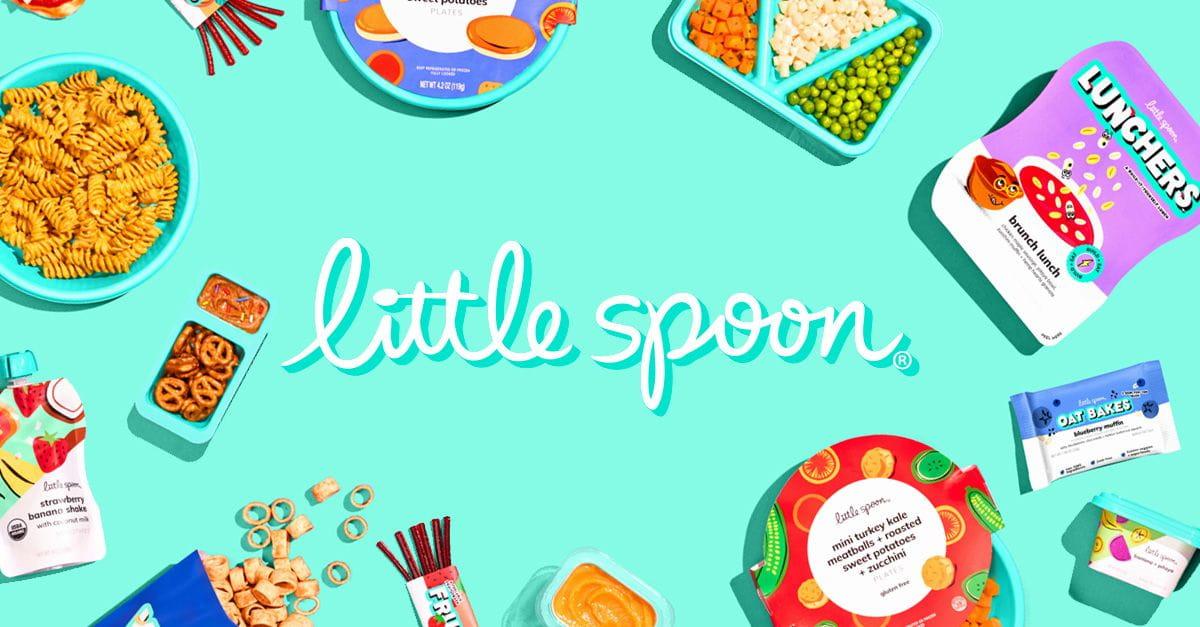
- Product range: Babyblends (purees for infants), Biteables (soft solids for beginning chewers), Plates (family-style toddler meals), Lunchers (shelf-stable lunch kits), and Snacks (bars, pouches).
- Processing & freshness: Meals are cold-blended or gently cooked to retain nutrients and are shipped refrigerated so they arrive ready-to-eat or to refrigerate/freeze.
- Packaging: Designed for safety and convenience — portioned single-serve containers and family-style trays. Packaging is generally sturdy; the brand emphasizes recyclable and BPA-free materials.
- Allergen labeling & transparency: Clear ingredient lists and suggested ages on products make it easier to avoid allergens and introduce solids safely.
Real-World Experience — Pros & Cons
Below are observations from regular use over several weeks. These focus on the caregiver and child experience rather than marketing claims.
- Pros
- Convenience: Ready-to-serve meals save significant prep time, which is a major win for working parents and caregivers juggling multiple children.
- Quality of ingredients: Meals taste fresh and include diverse vegetables and proteins you might not cook every week at home (e.g., lentil blends, roasted vegetables with grains).
- Texture progression: The product lines feel thoughtfully designed for stages — smoother purees for early months and chunkier textures for older babies and toddlers.
- Variety: Rotating menus reduce the “same meal” fatigue and help expose kids to different flavors and combos.
- Subscription flexibility: Options to skip deliveries, swap meals, and pause the plan make the service adaptable to changing schedules.
- Cons
- Cost: More expensive than mainstream jarred or pouch baby food. Expect a premium price for freshness and convenience (see pricing below).
- Portion sizes: Some toddler plates may be small for larger or hungrier toddlers; you may need to supplement or combine servings.
- Delivery logistics: Because meals arrive refrigerated, occasional delivery timing issues can be inconvenient if you’re not home to refrigerate immediately.
- Waste & storage: While packaging is robust, single-serve portions generate more packaging than bulk cooking; freezing extras is possible but requires freezer space.
- Taste sensitivity: As with any natural food, children who prefer very sweet or highly seasoned flavors may need time to adapt to these cleaner tastes.
Quick Comparison — Little Spoon vs. Yumi vs. Once Upon a Farm
| Feature | Little Spoon | Yumi | Once Upon a Farm |
|---|---|---|---|
| Form | Fresh-blended refrigerated meals and toddler plates | Fresh-blended refrigerated meal delivery focused on baby/toddler blends | Shelf-stable organic pouches and refrigerated cold-pressed juices |
| Ingredient focus | Organic, whole foods with variety across lines | Organic, stage-based purees and meals | Organic fruits/veggies; less emphasis on full meals |
| Convenience | High — doorstep delivery, ready-to-serve | High — similar subscription model | Very high — shelf-stable pouches are grab-and-go |
| Price (typical) | Approximately $3–$8 per serving (varies by plan and product) | Approximately $3–$7 per serving | About $1.50–$3 per pouch |
| Best for | Parents wanting fresh meals and variety for multiple ages | Parents focused on stage-based purees and fresh blends | Parents wanting shelf-stable organic convenience |
Target Audience
- Busy parents and caregivers who value time savings and consistent nutrition.
- Health-conscious families who prefer organic, minimally processed foods.
- Parents introducing solids who want variety and stage-appropriate textures.
- Gift buyers or registries looking for a premium food subscription option for new parents.
Pricing & Value
Little Spoon sits in the premium tier of baby food options. Expect roughly $3–$8 per serving (USD) depending on whether you choose single-serve Babyblends, toddler Plates, or multi-item snack packs. Subscriptions reduce per-item cost and add convenience but still cost more than mass-market jarred or pouch options. If you value fresh ingredients, menu variety, and the time saved, the price is reasonable; if budget is tight, shelf-stable pouches will be less expensive.
Final Verdict
Little Spoon delivers on the promise of fresh, thoughtfully composed organic meals that make feeding easier and more varied. The product is especially worthwhile for parents who prioritize ingredient quality and convenience and who are comfortable paying a premium for doorstep freshness and flexible subscription management.
Bottom line: A solid premium option for busy, health-focused families — excellent ingredient quality and convenience, with a tradeoff in price and some packaging considerations.
Interested in trying Little Spoon? There are discount codes and special offers available when purchasing through my store — check available promotions to reduce the first delivery cost and try different lines (Babyblends, Biteables, Plates) with less commitment.
If you want specifics about plans or a recommendation based on your child's age and eating stage, tell me your child's age and feeding habits and I’ll suggest the best Little Spoon line for you.