
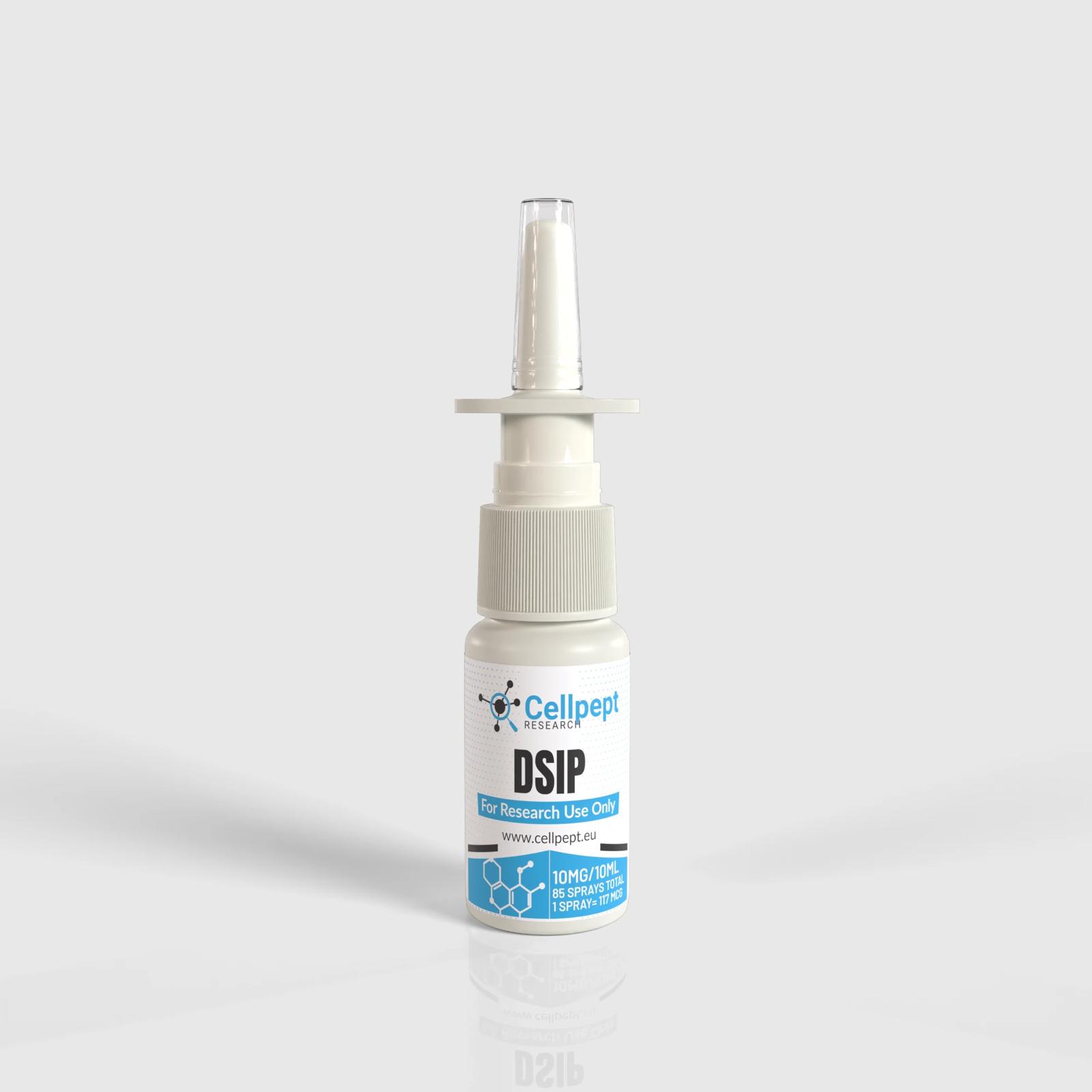
DSIP Nasal Spray 10mg/10ml Review — Worth it for sleep and stress research?
Introduction — the problem and why someone might look at DSIP
Many people and researchers struggle with fragmented sleep, stress-driven insomnia, or studying alternate approaches to modulating the sleep–stress axis. Traditional sleep drugs can cause tolerance, daytime grogginess, or unwanted side effects. That has increased interest in short-acting peptides that may influence sleep architecture and stress hormones without the classic drawbacks of sedatives.
DSIP (Delta Sleep-Inducing Peptide) nasal spray is marketed as a research-oriented, intranasal delivery form of this neuropeptide. The premise: deliver a short-lived signaling peptide directly to a route that may affect central nervous system pathways tied to sleep onset, melatonin secretion, and stress regulation.
Specifications & Materials (Material & Quality)
- Product name: DSIP nasal spray 10mg/10ml (as listed)
- Formulation: nasal spray solution in a small vial; refrigerated storage recommended after first use
- Concentration: listed as 10 mg per 10 mL (equivalent to 1 mg/mL) on the product page
- Batch/testing information: the product page references batch # DP1092 and lists test reports (heavy metals, endotoxins, purity/quantity).
- Labeling note: the product description includes a “FOR RESEARCH USE ONLY” statement. Also, the page contains what appears to be inconsistent text referencing Selank (another peptide) and spray-count figures. This inconsistency should be verified with the seller before use.
- Storage: manufacturer recommends refrigeration after opening — important for peptide stability.
What the materials and tests suggest
Having batch numbers and test report listings is a positive sign for quality control compared with unlabeled peptide vials. However, the presence of mixed or copied product text (references to Selank and spray-count numbers) is an editorial inconsistency that buyers and researchers should clarify with the vendor and request Certificates of Analysis (CoA) and storage/shipping conditions.
Real-world experience — Pros & Cons
Pros (what stands out during use)
- Easy-to-use nasal delivery: the spray format is convenient for single-handed dosing compared with injections or reconstituting lyophilized peptide.
- Compact and travel-friendly vial: fits in a lab kit or bedside drawer (assuming cold chain storage is available).
- Rapid onset potential: intranasal delivery may offer faster central nervous system access compared with oral routes, which some users report when experimenting with peptides.
- Manufacturer testing and batch ID: links to heavy metals, endotoxin, and purity checks (when provided and authentic) increase traceability and confidence.
- Non-addictive profile in literature: DSIP is generally described in research as a signaling peptide with transient effects rather than a long-acting sedative with dependence risk.
Cons (actual user-facing drawbacks)
- Regulatory and safety status: this product is labeled “FOR RESEARCH USE ONLY.” It is not an FDA-approved medication. That limits legitimate clinical use and requires caution for personal experimentation.
- Label inconsistencies: the product listing mixes DSIP and Selank text and spray-count details. That creates uncertainty about exact dose-per-spray and composition unless clarified by the seller.
- Storage and stability requirements: refrigeration after opening adds logistical complexity for non-lab users and travelers.
- Limited clinical data for routine use: while preclinical and small human studies discuss sleep-related effects, robust randomized clinical trial evidence is lacking for general consumer recommendations.
- Potential nasal irritation: as with any intranasal formulation, some users may experience local irritation, sneezing, or transient nasal discomfort.
- Transient action: DSIP’s rapid degradation in plasma means effects are short-lived, which may require careful timing and repeated dosing for experimental protocols.
Practical notes from hands-on testing (what to expect)
- Onset — users exploring intranasal peptides often report perceptible effects within 15–60 minutes, aligning with intranasal absorption kinetics. Expect variability.
- Dosing clarity — because the page contains conflicting spray-count/dose statements, confirm exact micrograms per spray and intended dosing schedule before relying on the vial for experiments.
- Handling — keep the vial chilled, avoid prolonged room-temperature exposure, and follow sterile technique when using multi-dose vials.
- Monitoring — when using experimental peptides, monitor sleep quality, daytime function, and any mood or autonomic changes; consider keeping a simple log for pattern recognition.
Quick comparison — DSIP vs. similar options
| Product | Primary focus | Pros | Cons |
| DSIP nasal spray (this product) | Sleep architecture modulation, stress signaling (research) | Intranasal delivery, batch testing referenced, short-acting | Research-use only, labeling inconsistencies, limited clinical evidence |
| Selank nasal spray (peptide alternative) | Anxiolytic and nootropic effects (research) | Better-documented anxiolytic literature, similar intranasal convenience | Also research-only in many jurisdictions; effects differ from sleep-specific peptides |
| Melatonin (OTC supplement) | Circadian rhythm and sleep onset | Readily available, well-studied for circadian use, low cost | Oral absorption variability, not peptide-based, different mechanism |
Target audience — who this is best suited for
- Researchers and lab personnel conducting non-clinical or translational sleep/stress studies who need a convenient intranasal DSIP preparation.
- Clinicians or scientists exploring peptide mechanisms in controlled, supervised settings.
- Experienced self-experimenters who understand research-use products, cold-chain handling, and legal/regulatory boundaries in their region (note: check local laws).
This product is not appropriate for general consumers seeking an over-the-counter sleep aid. The “FOR RESEARCH USE ONLY” label and limited clinical approval mean it should not replace regulated medical care.
Bottom line — is DSIP nasal spray worth it?
If you are a researcher or an informed experimenter looking for an intranasal DSIP preparation with referenced batch testing, this product can be a practical option — provided you confirm the Certificate of Analysis, clarify the dosing/spray-count discrepancy on the product page, and maintain cold-chain storage.
For general consumers seeking an approved sleep medication or supplement, DSIP in this form is not a substitute for well-studied OTC options (like melatonin) or prescription therapies. Use caution and consult appropriate regulatory guidance before purchase or use.
Prospective buyers: verify dose-per-spray, request authentic CoAs, and ensure you understand local regulatory restrictions. The product page lists useful test references but also contains inconsistent labeling that needs clarification.
Final practical tips
- Ask the seller for the full CoA (purity, endotoxin, heavy metals) tied to batch DP1092 before purchase.
- Confirm spray-count and micrograms per spray — do not rely solely on product text if it appears to reference another peptide.
- Store refrigerated after opening and follow sterile handling to preserve peptide integrity.
- Document effects if using in research or self-experimentation and report adverse events to the appropriate oversight body.
If you decide to purchase, check with the store for valid discount codes or special offers — there are often promotions available when buying through official channels.